Climb to New Heights with Plants
By: Jesse Velazquez
Life comes from the earth and life returns to the earth.
Zhuangzi
Rough Starts
For weeks you’ve been trying the same wall again and again. You finally have the beta (common term for form or information about a climb) down and you have one last move to make the wall. You reach for the last hold and your forearm cramps up. You lose grip and you fall back down the wall, right at the beginning. You have no more energy to continue. This feeling of defeat is not uncommon. Rock climbers are famed for putting their bodies through it all. Hours of extensive full body workouts are normal for climbers. Whether it be a finger ligament tear, a shoulder rotator cuff injury or meniscal tears in the knee, almost every climber has needed rest days to heal from a climbing rigorously. This article is written to aid climbers on their journey and hopefully improve the quality of their climbing sessions; while also increasing the time they can climb per session. This information will hopefully help readers gain an advantage in endurance and resting time.
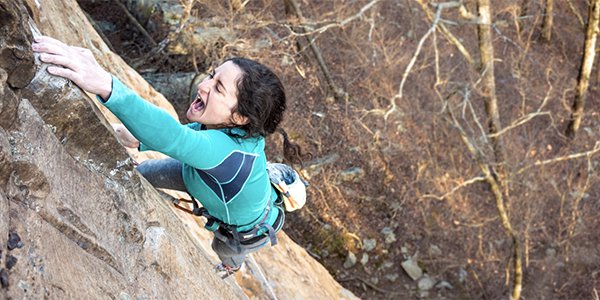
When I first went to the climbing gym, I had no idea what I was getting into. With no prior knowledge of the methods and techniques many climbers have, I wore myself out in less than an hour. I was able to rest and climb some more but soon again I felt strain in my fingers and fore arms. Climbing more felt like it would lead to pain. Now that I have been climbing for much longer I know how to prevent such a quick burnout, but the sensation of muscle fatigue is ever present when climbing. Resting and healing is just as important to climbing as the technique in climbing. The body needs time to heal. Small tears are often created by the pressure put on the ligaments on a climber’s fingers,
As I got to know my way around the gym and began to meet more people, I began asking others around about this feeling of exhaustion and how they work around it. Some climbers explained that they were able to eat whenever and whatever they wanted, yet were still able to climb very high grade walls with ease. The majority had a greater care for what they were putting into their bodies. Those who took climbing more seriously seemed to have meals prepped and snacks to elongate their climbing times. I started noticing a trend of very high carb meals for energy. Many climbers seem to be very healthy, aiming to maintain a slim figure that would allow for more versatility when climbing.
I spoke to a climber I had began seeing often and asked him about his climbing routine and he began to tell me of his time living and climbing in California. He realized that almost everyone that climbed with him would often eat fruits or grains and fatty foods like avocados. Whole foods were the norm and no one was eating unhealthy processed foods. I soon began looking at the difference between high fat and high carb diets and noticed that there were two very popular moments currently; the keto and the vegan diet.
Meat or Veggies?
The ketogenic diet, commonly coined as the “keto” or “carnivorous” diet, is a diet that utilizes only mainly fats and some protein to function the body. Carbs are abstained from almost completely and as a result, one’s metabolism increases. Only meats, cheeses, and a select few vegetables with low levels of carbs are consumed. Once one is on this diet for a certain amount of time, the body begins to shift processes from digesting all types of food to only one type, the digestive system is then able to digest the proteins and fats at an expedited rate. Many have hailed this as the perfect diet, feeling more energized and losing large amounts of weight within a relatively short amount of time. New research has come out explaining that this diet may even regress the production of certain cancer cells and decrease brain fog. The downsides to this diet include high cholesterol levels and increased chance of getting kidney stones as the kidneys are working harder to digest this new diet. A diet high in meat also causes the body to have an inflammatory response. For those hoping to lose weight, this may be a great diet to try for a short time. Long term effects of this diet have not yet been studied, as it is relatively new; yet for athletes and those who expend lots of energy on the daily, the keto diet seems to do more harm than good.
The vegan diet completely omits all meats and all products that come from an animal. Probably the strictest form of this diet is the plant based diet. Plant based vegans only consume fruits and vegetables, getting all their nutrients from things that are grown of the earth. This diet gives its followers all the raw and whole nutrients from the plants without cutting any “middle man.” Followers of this diet have seen similar results to that of the keto diet; many have lost weight and feel more energized throughout their day. Unlike the keto diet, there is no risk of high cholesterol or kidney stones. Plant based diets have also been proven to reduce inflammation within the body. Fruits and vegetables are often packed with vitamins and minerals, serving as a raw power source.
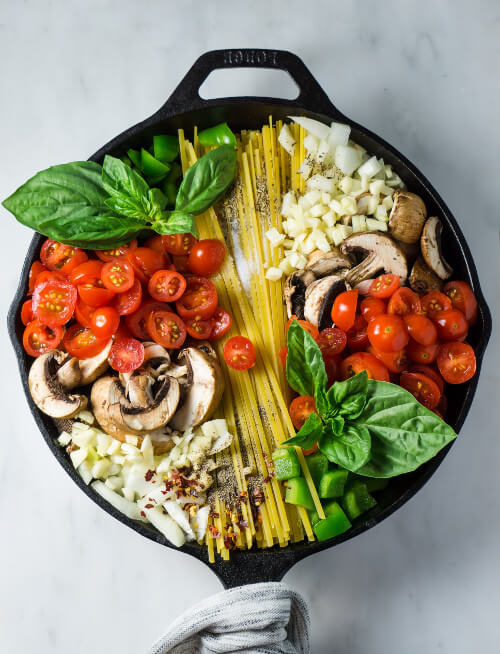
When it came to endurance, it seemed that followers of the keto diet were at the disadvantage. They had no reserve of carbs to burn efficiently and easily. Carbohydrates are the main fuel the body uses when it needs energy. The raw carbohydrates and glucose from eating fruits and vegetables are the most efficient source of energy one may provide themselves. Though proteins and healthy fats are necessary to nourish and grow one’s body, these alone are not a sufficient energy source for long term endurance workouts. In fact, fats should be avoided to avoid stomach pains while climbing. Protein is necessary for repairing the muscles after an arduous climb. The anti-inflammatory properties of a vegetables may also decrease the time a climber will need to rest. The body is able to heal from these strenuous workouts much quicker.
Ask the Professionals
Nutrition Therapist Neely Quinn has offered advice on diet and nourishment for many climbers and even some professionals. She advices that carbohydrates and proteins are the bulk of what climbers should consume, especially before climbing. The levels of these must be taken greatly into consideration when preparing meals.A healthy balance of these macronutrients would bring climbers closer to their goals.
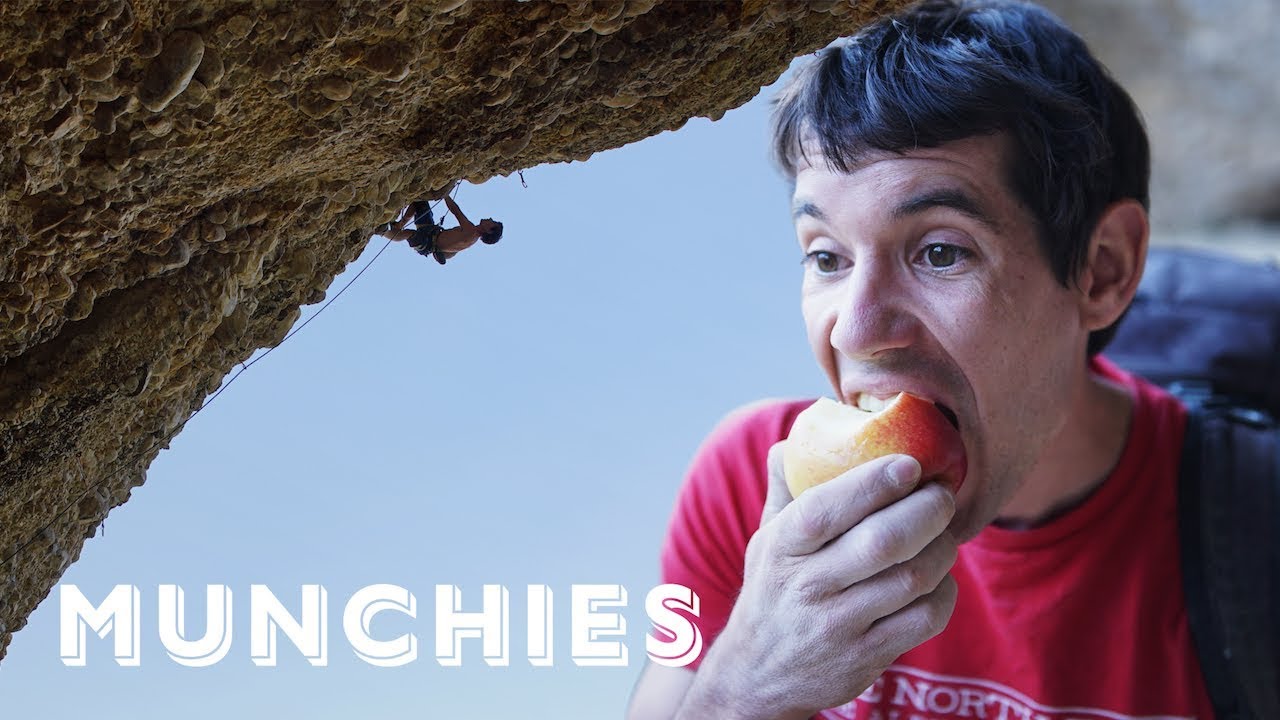
World renown rock climber Alex Honnold (star of “Free Solo”) has decided to stick to a mainly vegan diet because he feels it is the best for his climbing and for the environment. When climbing he stated that he starts the day with a “large breakfast, heavy on carbohydrates.” Light snacks such as fruits and nuts follow. This allows him to prevent the sluggish feeling after having a large meal. I have realized that whenever I have a meal with a large steak or fried foods, I don’t want to do much more than lay down and let the food digest. For rock climbers and athletes alike, those that want to enhance their skill set cannot be eating these type of meals before a day of training.
The Final Verdict
Now with all the information provided, which diet would you choose? Are you a climber aiming to lower their body mass to get a slimmer figure? Or are you more concerned with your workout time and overall health? I believe this article will help many on their journey to achieving their climbing goals.
But then again, not everything is competition. Rock climbing is a sport that brings one closer to the Earth. Almost like solving a puzzle with your body, this sport allows one to be mentally stimulated in man’s true nature. I believe this is as close as one can get to being like our species’ ancestors. The approach to climbing is completely dependent on the climber. If they want to compete, they can compete. Those who climb for just the joy of it, have the freedom to do so as well. This article is meant to be informational to all climbers, but climb as you please. There is no rush to be better than the next guy. As with all things, balance is necessary.
 The Earth and the Male